Woodcarving Basics
11 min read
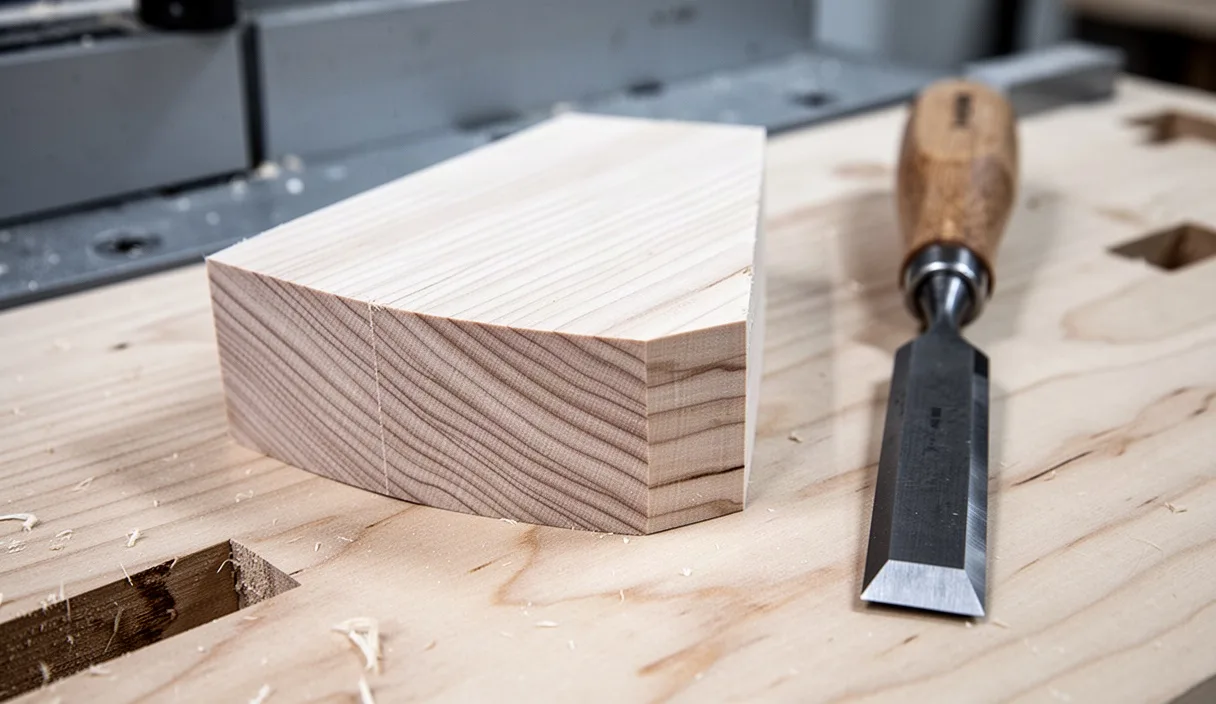
How Wood Grain Direction Affects Hand Carving
Learn why carving against the grain tears wood fibers instead of slicing them clean. We show you how to read grain lines using simple visual checks.
Learn why carving against the grain tears wood fibers instead of slicing them clean. We show you how to read grain lines using simple visual checks.
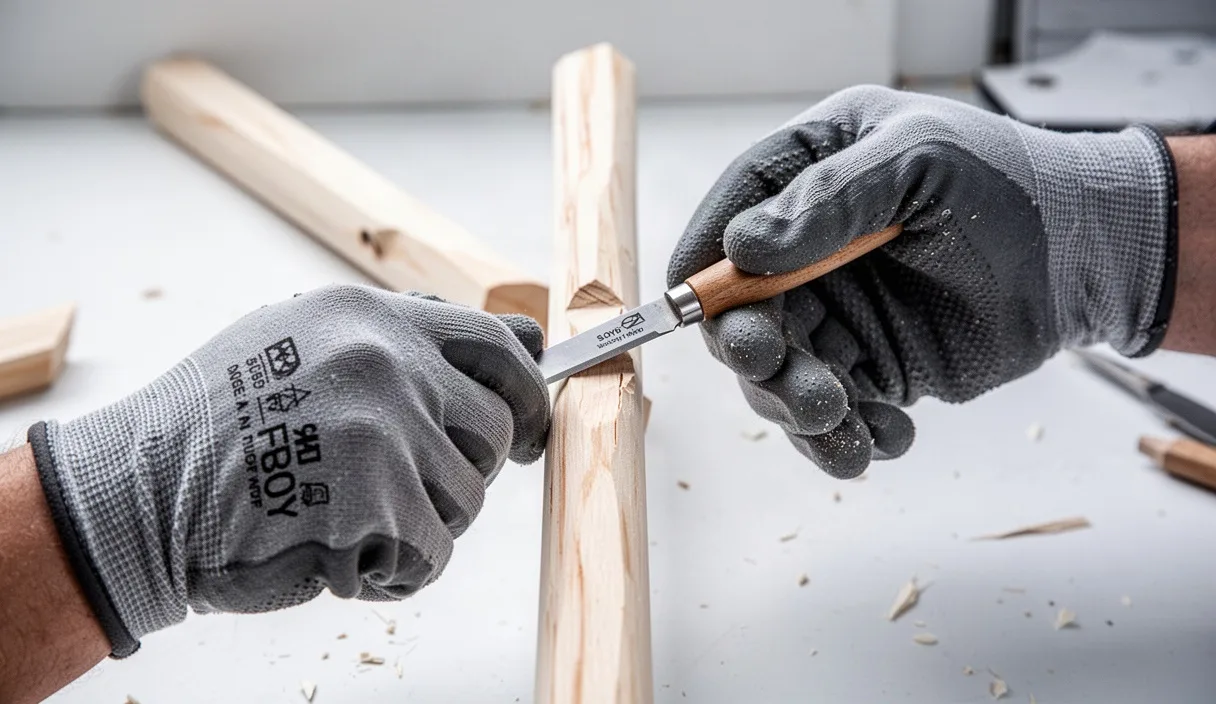
Discover the correct hand positions that keep your fingers out of the blade path. You will learn how to generate slicing power using chest muscles rather than wrists.
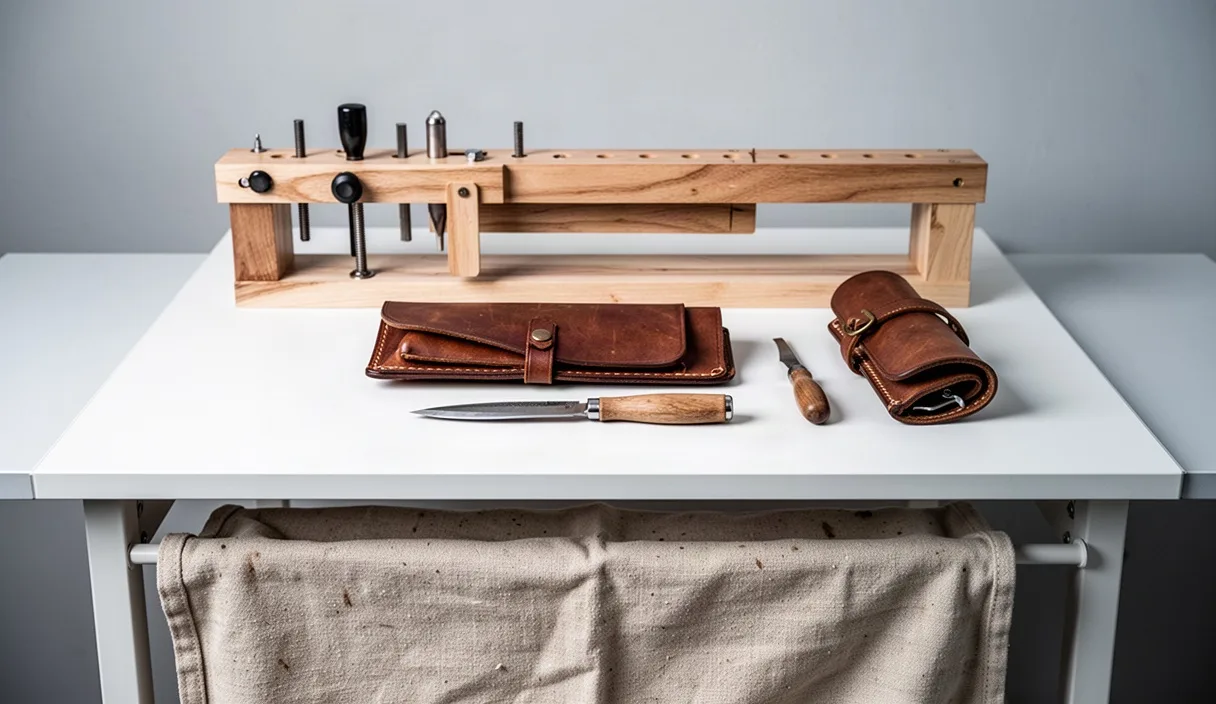
Create an efficient, quiet carving corner indoors without making a mess or bothering neighbors. We share methods for chip containment, clamp benches, and noise control.
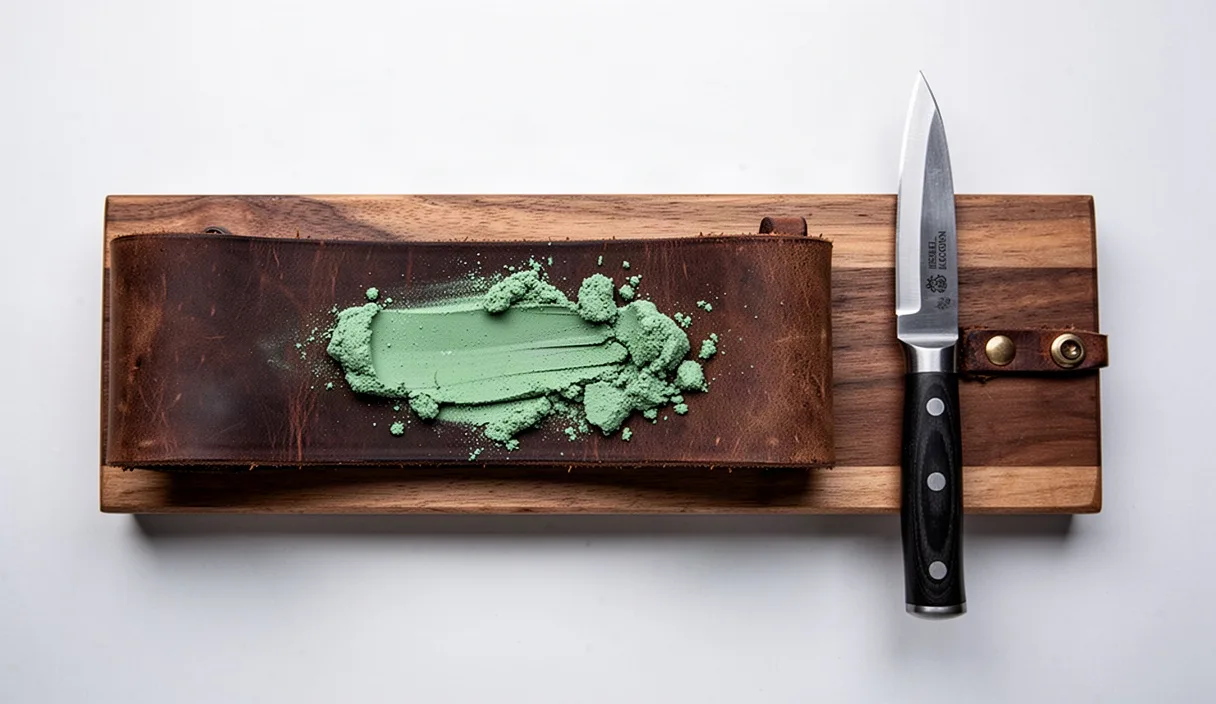
Learn why stropping realigns microscopic wire edges without removing heavy metal. We explain the proper angle and pressure to keep your edge razor sharp.
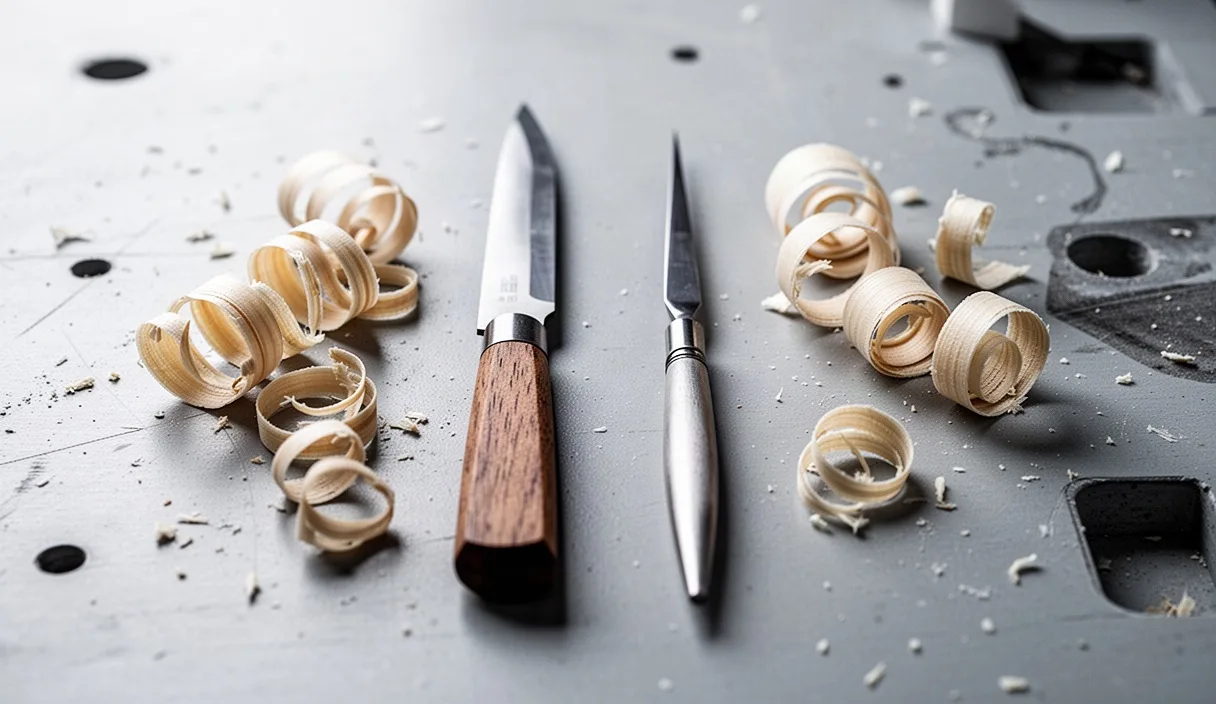
Compare the thick belly of a sloyd blade with the fine tip of a detail knife. You will understand which blade geometry suits rough shaping or fine facial features.
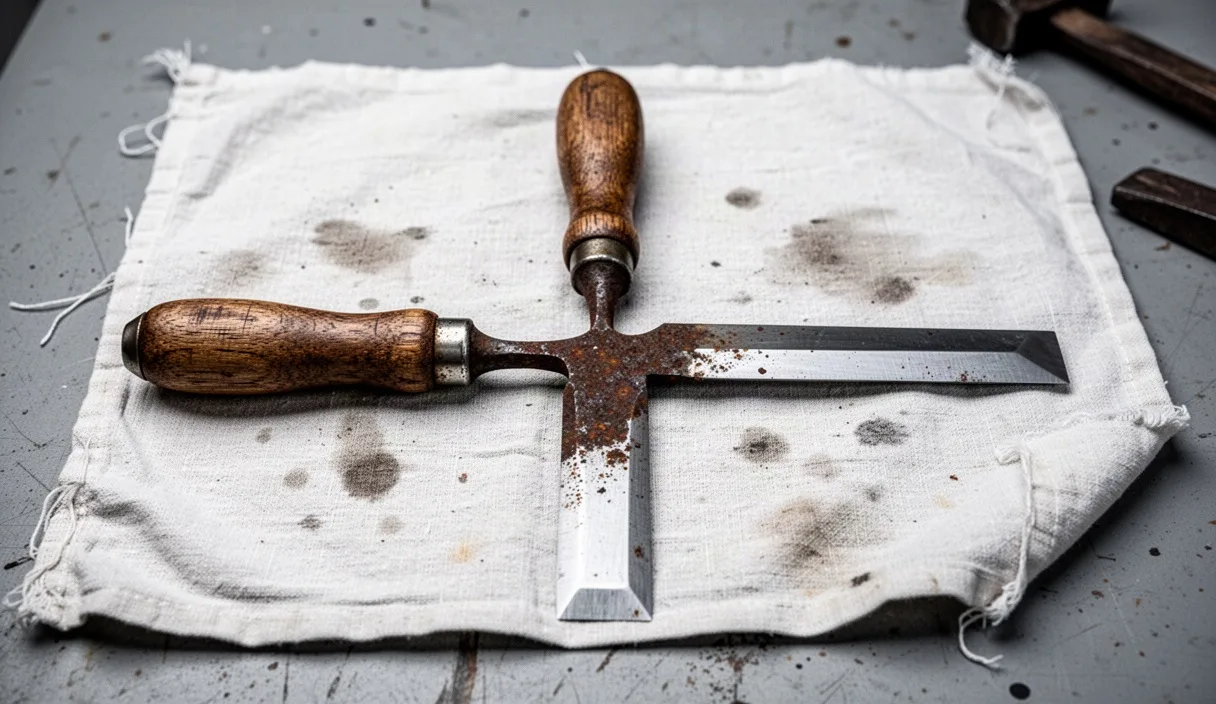
Restore vintage garage-sale gouges to shining working condition using simple shop methods. We test mineral oil, fine steel wool, and gentle brass wire brushes.
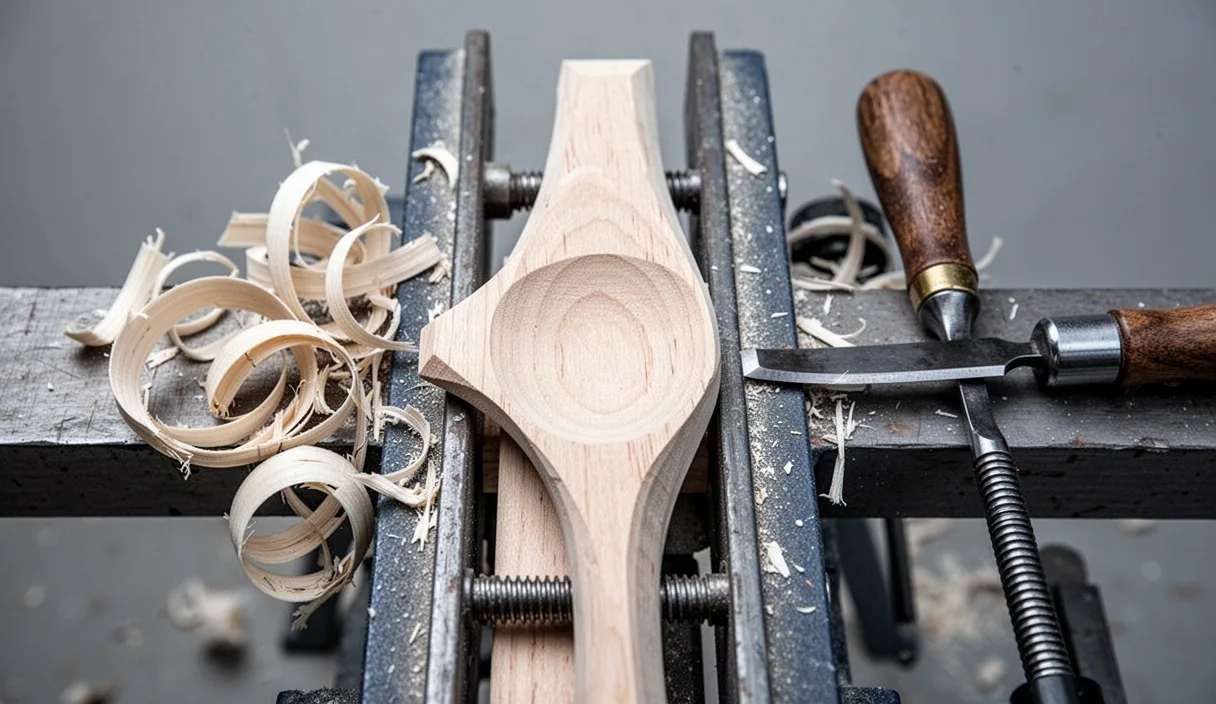
Follow the traditional process of hollowing a bowl and shaping a comfortable spoon handle. We explain how green timber makes the initial hollow cuts significantly easier.
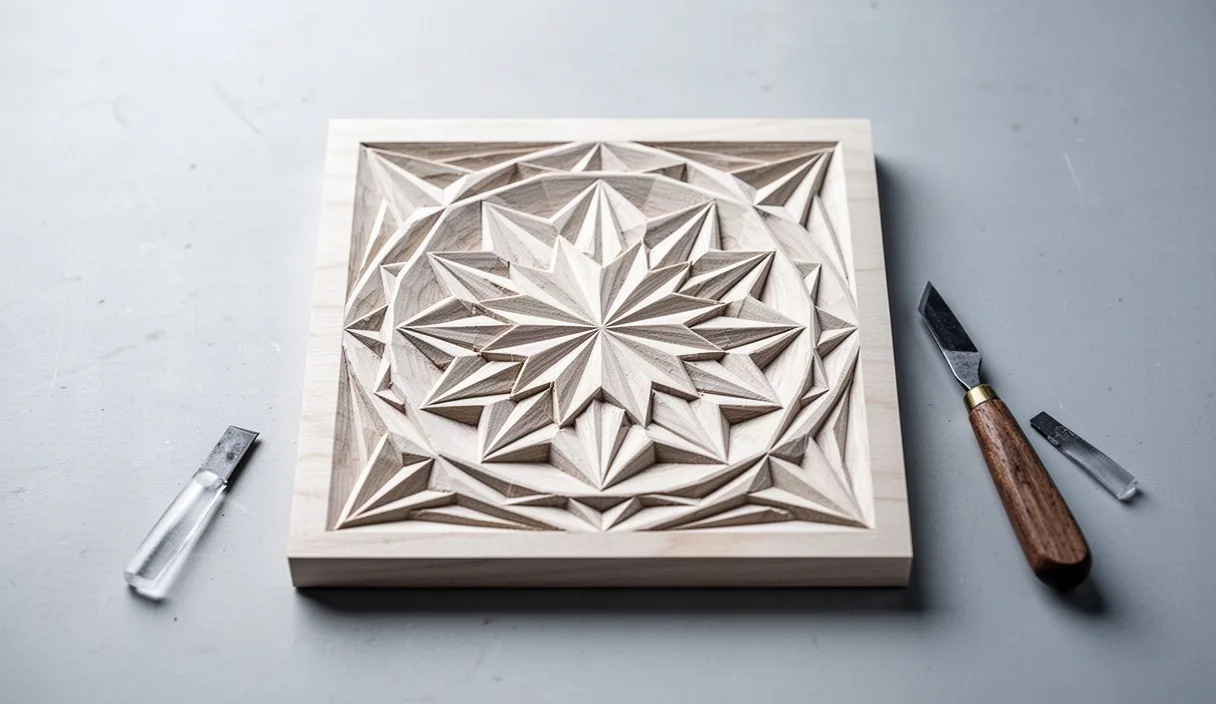
Learn how three angled knife cuts pop clean wooden triangles out of flat surfaces. We walk through layout grids and knife tilt angles for crisp folk art patterns.
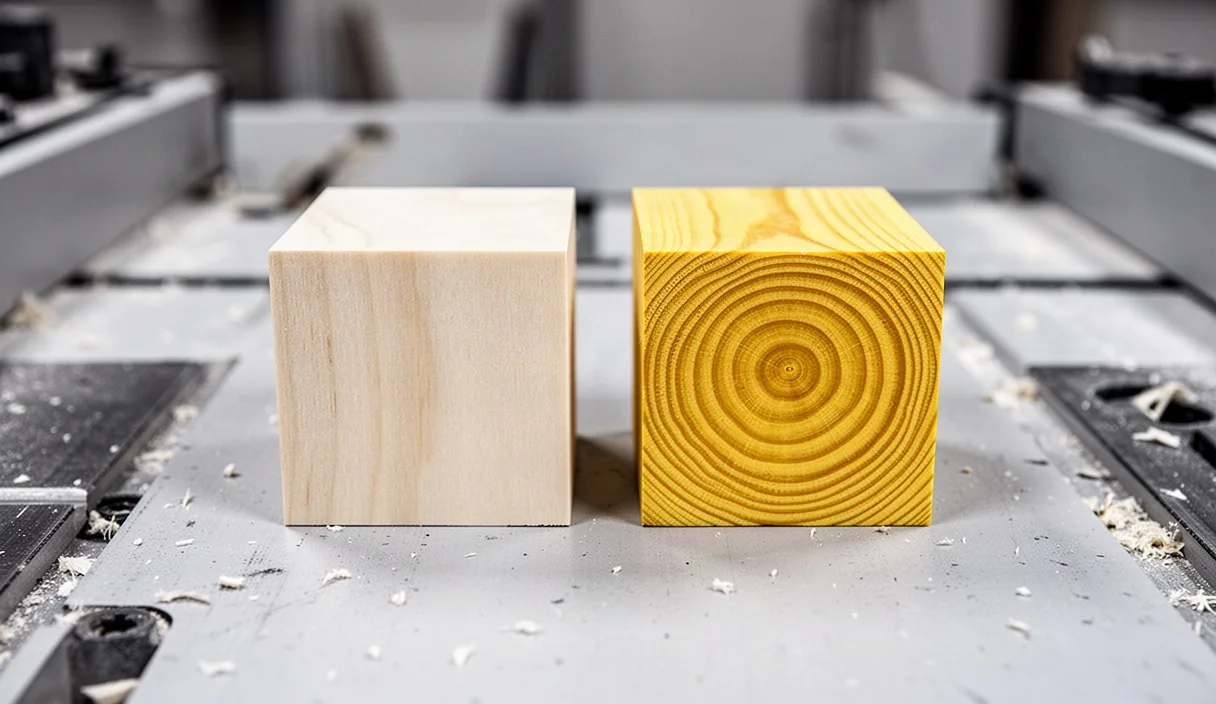
Find out why basswood holds fine knife cuts while pine often crumbles under gouges. We compare cell density, grain uniformity, and resin content for carvers.
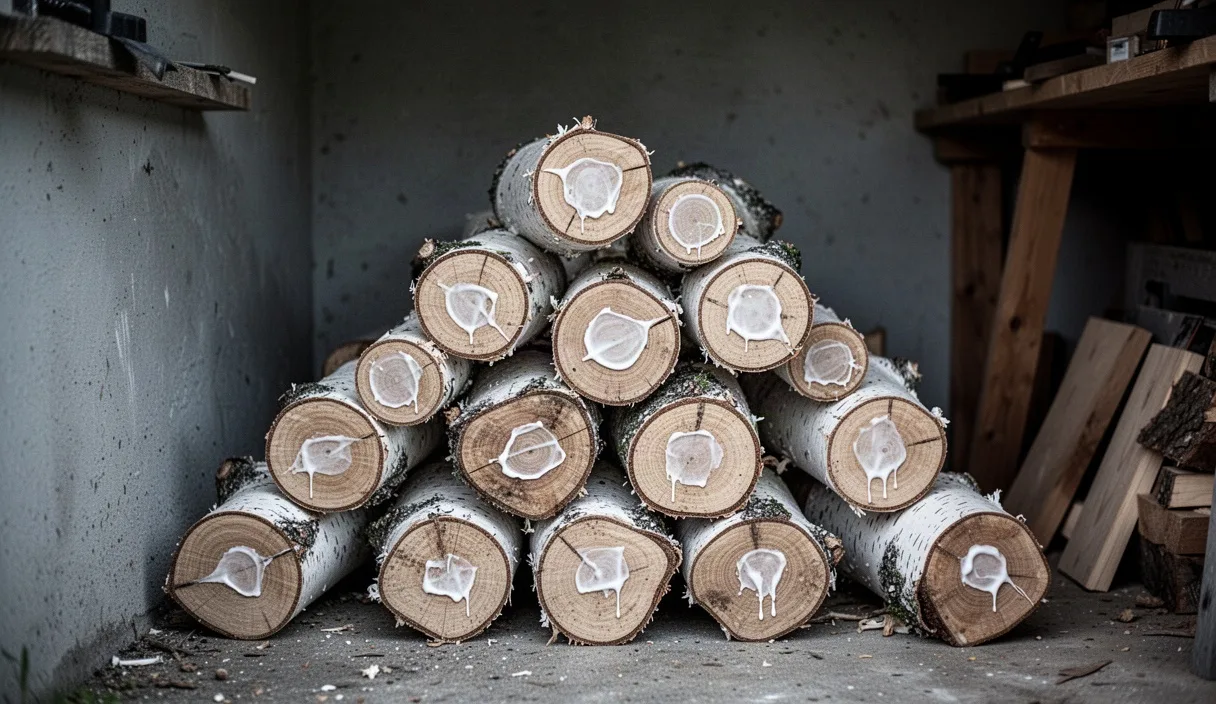
Discover how to prevent fresh logs from splitting before you have time to carve them. We cover end-grain sealing wax, cool storage, and freezer tricks for spoon blanks.